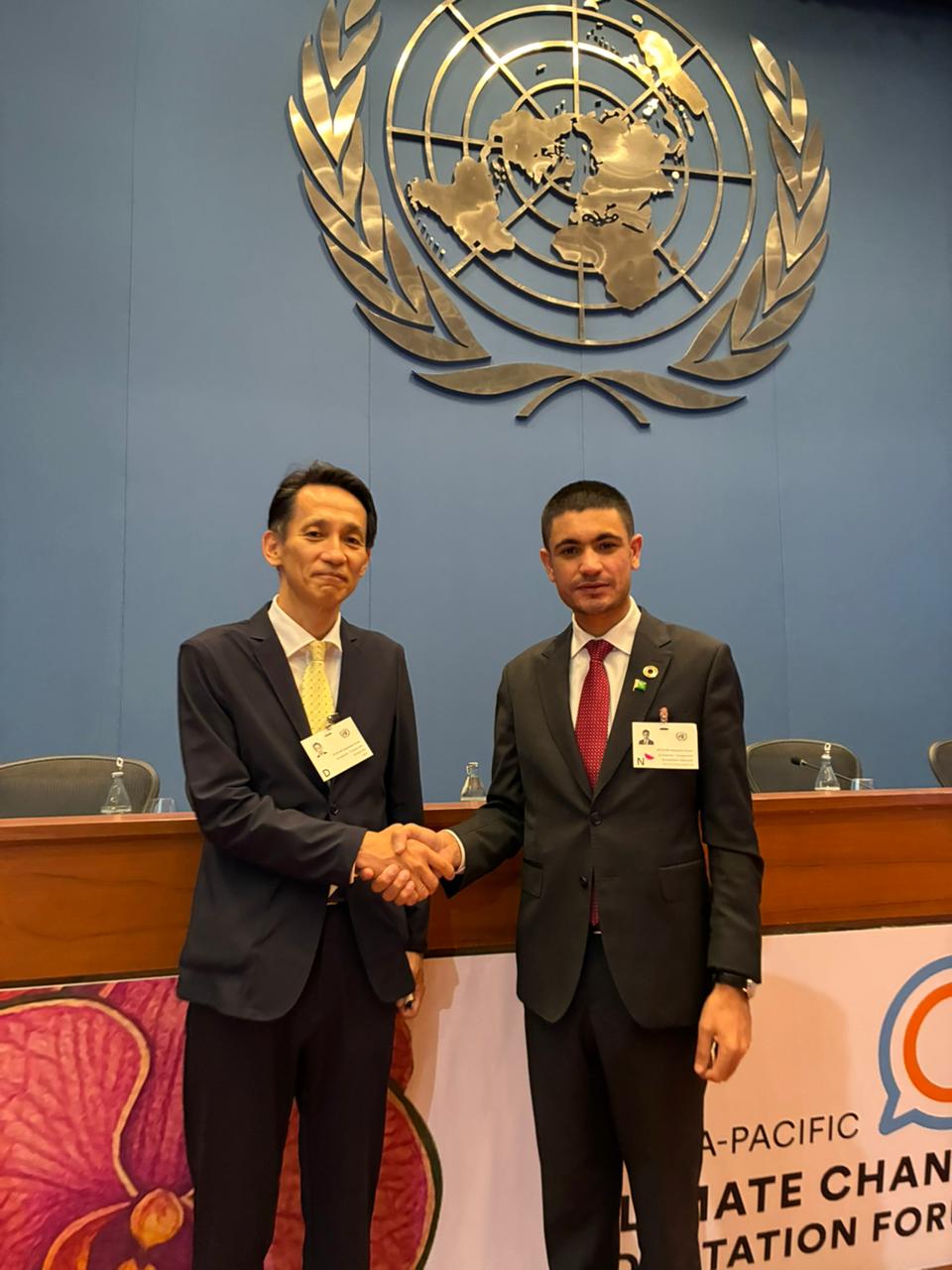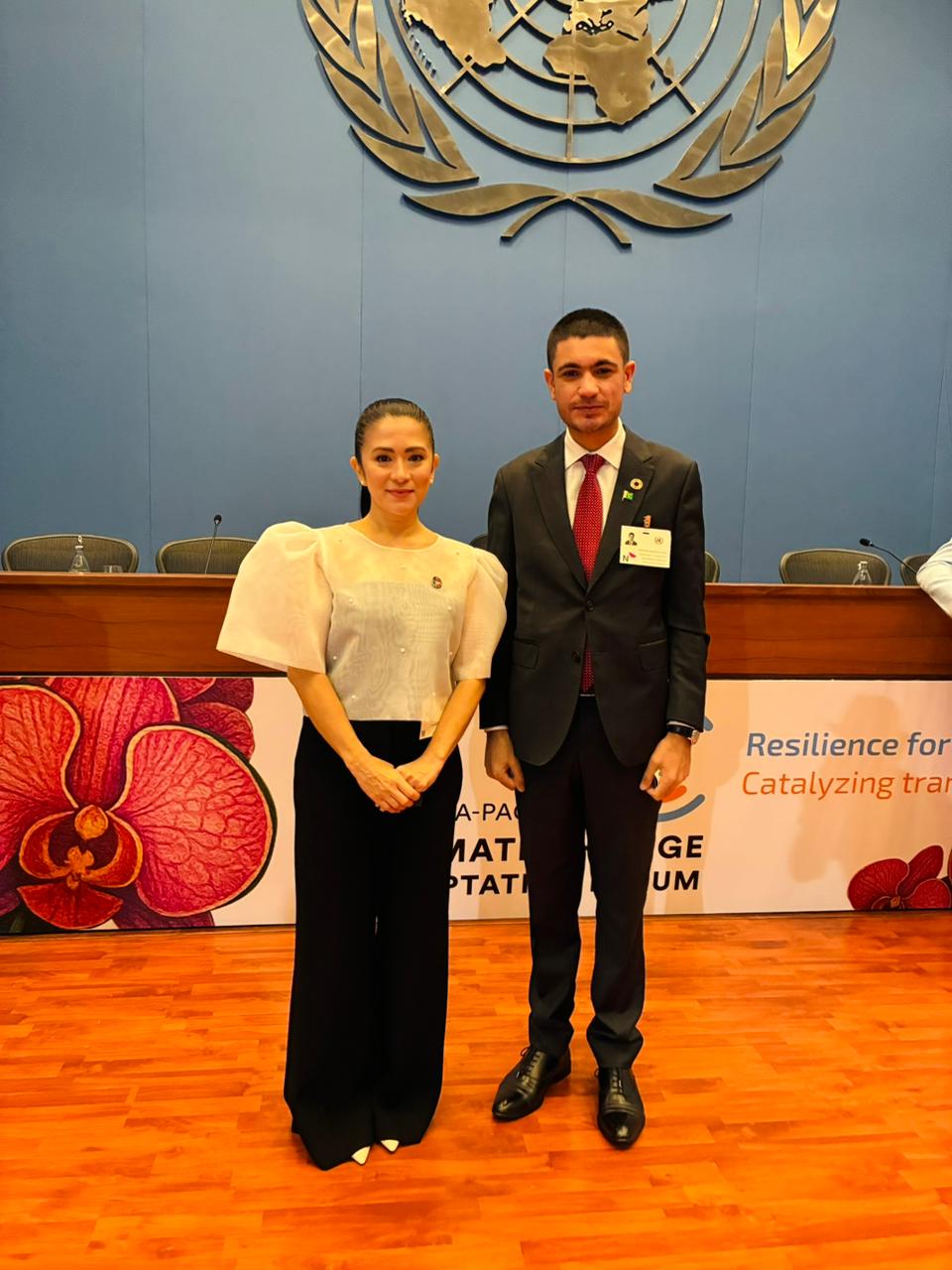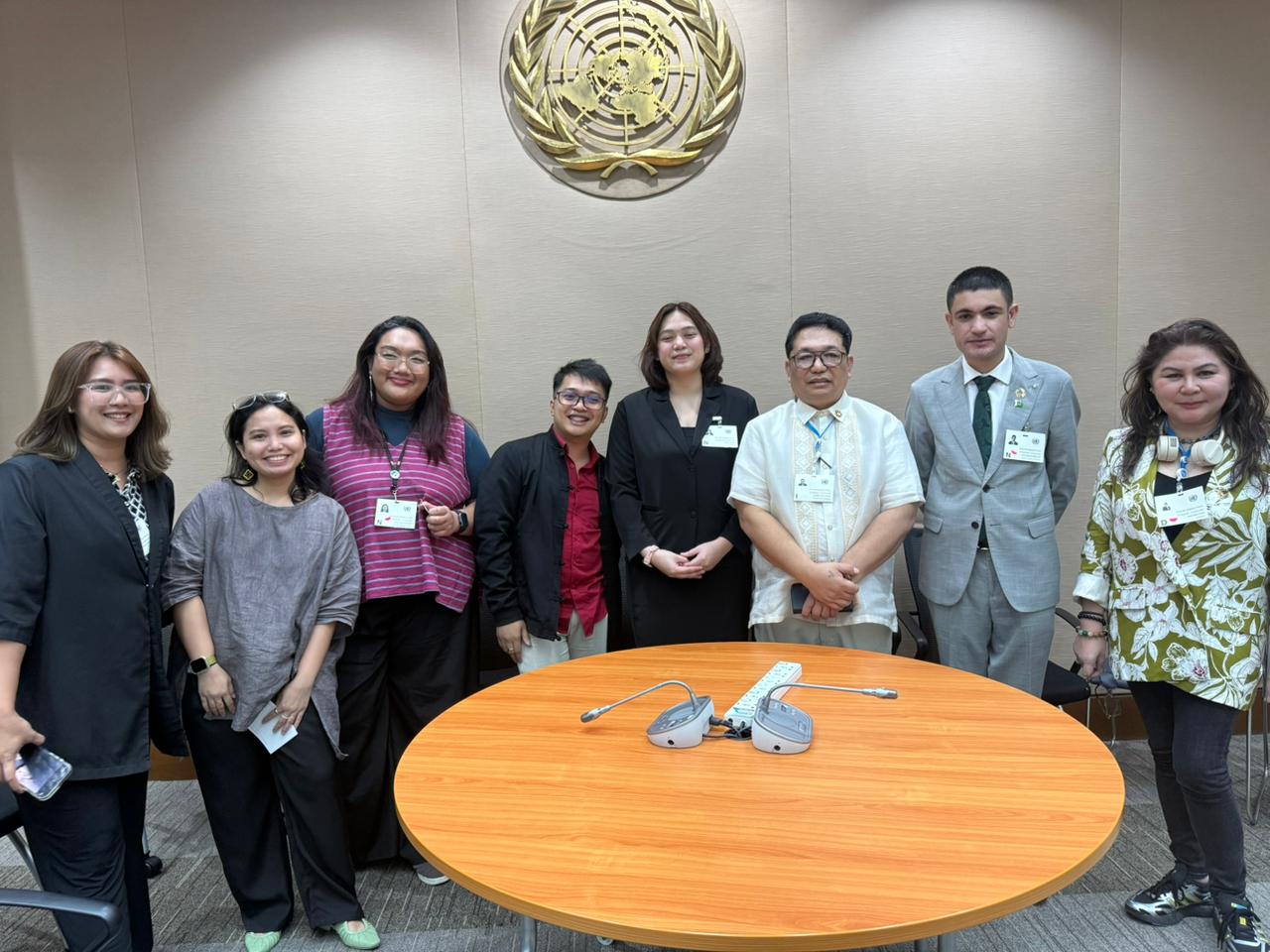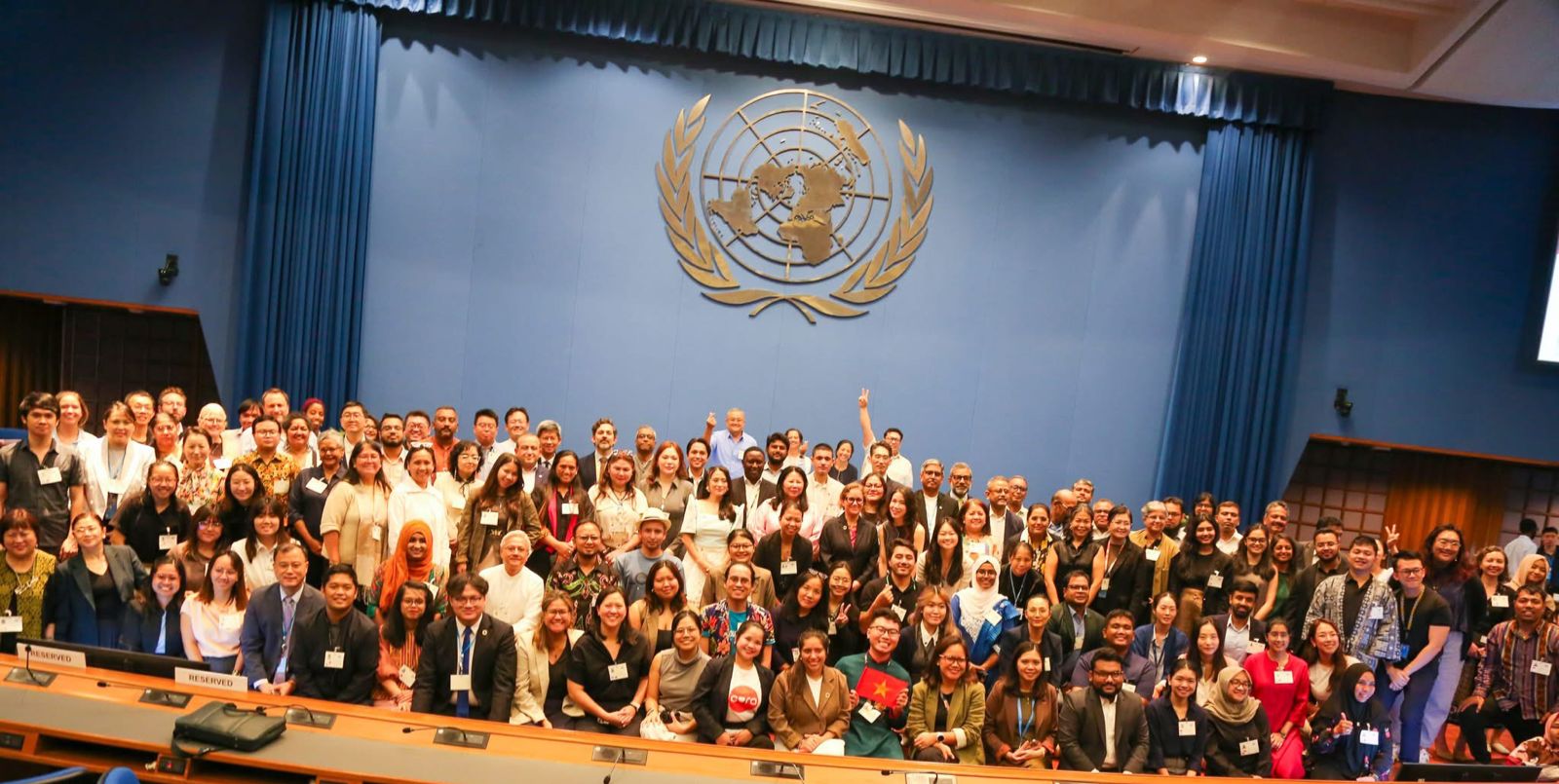
Climate change is not a problem for the future; it is a challenge we are facing now. Unusual weather patterns, global warming, flash floods, droughts, glaciers melting, and sea level rise cause global crises, especially in developing countries such as Pakistan, affecting the socio-economic life of these countries. This exacerbates already existing socio-economic problems, contributing to poverty, agricultural loss, desertification, inflation, food shortage, water scarcity, destruction of infrastructure, and displacement, making Pakistan more vulnerable to climate crises. Amid these growing challenges, the actions and voices of the youth play a crucial role in climate advocacy, raising awareness and a sustainable future.
Social Impacts of Climate Change
The Global North, or industrialized countries, suffer the least despite being primarily responsible for historical emissions. Conversely, the Global South and the developing countries make minimal contributions, yet they suffer the most. Pakistan, contributing 0.9 percent of global greenhouse gas emissions GHGs (UNFCCC, 2022), is one of the most vulnerable countries to the impacts of climate change, which adversely affect its social fabric. Climate change is leading to extensive social challenges for Pakistan, which include poverty, health issues, and migration. According to a United Nations report, 44 percent of children in Pakistan suffer from stunted growth due to malnutrition, the result of food shortage and poverty. (Iqbal, 2020). Unseasonal rain spread viral, waterborne, and vector-borne illnesses like Dengue, Malaria, the Zika virus, and typhoid (Riaz, Mohammad, Saqib, Malik, & Ur Rehman, 2022). Punjab Province alone experiences excessive smog, which has direct health implications leading to eye infections and respiratory diseases (Ashraf, Khan Tareen, & Ahmad, 2022).
Climate-induced displacement and migration in the Tharparkar and Muzaffargarh regions of Pakistan reveal the lack of adaptability and resources to face climate change. 56 percent of Muzaffargarh’s population is trapped in poverty. The devastating flood in 2010 destroyed infrastructure, degraded the soil, and forced people to leave their homes, making them more vulnerable to unemployment and poverty (Salik, Shabbir, & Naeem, 2020). Hence, Poverty is interlinked with climate change. Unpredictable heavy rains and flash floods destroy crops and infrastructure, including roads, markets, and houses. These climate hazards push the population into a cycle of poverty. Since the irrigation system is crucial for Pakistan’s agricultural sector, it has been severely challenged due to the country’s water crisis. An estimate showed that the 2022 flood in Pakistan increased the poverty rate by 4.0-4.3 percent, pushing 9 million people below the national poverty line (GFDDR, 2024). Along with all the factors mentioned above, the education sector of Pakistan is also at high risk due to the climate crisis. The climate hazards of 2024 washed away 97 schools, affecting 2 million students (Khan, 2025). The social consequences of climate change directly risk the economic cost that undermines Pakistan’s development and livelihood.
Economic Impacts of Climate Change
Pakistan is the 8th most vulnerable country to climate change, due to the annual 0.5°C increase in temperature (UNDP, n.d.). Although Pakistan has a mixed economy, the majority of its population directly and/or indirectly relies on the agriculture sector, which contributes about 24 percent of gross domestic product (GDP) of the country (Pakistan Bureau of Statistics, n.d.). The temperature rise is fatal to the agriculture sector as it brings risks and a reduction in annual yields of crops. In 2024 and 2025, because of climate change: irregular rainfalls and severe heatwaves, the staple crops of Pakistan have dropped by 13.5 percent (AGRI, Climate Change in Pakistan 2025, 2025). Farmers of Punjab and Sindh are more vulnerable to this, as these provinces contribute greatly to the country’s agriculture. In 2025, Pakistan is severely food-insecure due to devastating floods hitting the various urban and rural regions across Pakistan. The same floods have destroyed nearly 20 percent of crops, causing food inflation and loss of infrastructure (AGRI, Food Shortage in Pakistan: Causes, Effects, and Solutions for 2025, 2025).
The rise in temperature damages the fertile soil, causing soil degradation, which in turn shrinks the harvest of crops, cuts the food production, and threatens the livelihoods of families who are dependent on farming. The Indus River is the main system of irrigation for farms. Due to climate change, Pakistan either faces a deficiency or a surplus of water, affecting the balance of water supply and triggering water scarcity (AGRI, Climate Change in Pakistan 2025, 2025). The reduction in agricultural productivity, desertification, loss of livestock, and water scarcity have affected incomes and rural livelihoods, contributing to poverty, impacting the country’s economic growth. Climate change has a disproportionate impact on Pakistan’s GDP. The 2022 flood in Pakistan affected 33 million people and displaced around 8 million people. Pakistan had faced severe economic and infrastructure loss of nearly about 15.2 billion USD (Bank, 2022). In 2025, Pakistan has once again faced devastating floods caused by climate change. According to a report, the economic cost of the 2025 flood so far is around 1.4 billion USD, including the damage done to the agriculture sector and the infrastructure (Habib, 2025).
Youth and Climate Leadership
Youth are a significant asset of any country or nation. Youth-led movements can play a defining role in accelerating climate actions, since they are the future inheritors. A country like Pakistan, which has a 60 percent population under 30 years old, possesses young people with fresh minds and energy that can help mitigate the climate adversaries. These future inheritors can raise awareness, demand accountability and justice, mobilize communities, influence policymakers, and ensure that climate actions are addressed both locally and at the global level.
The youth-led groups in Pakistan should organize plantation drives, clean-up campaigns, and utilize digital activism to hold governments and businesses accountable. The government of Pakistan should make environmental education compulsory in schools to train the youth from the beginning. Youth advocacy is effective since it can reflect the voices of the marginalized and most affected communities by climate crises. Empowering youth helps in building social resilience and solidarity to promote sustainable development and future prosperity.
In Pakistan, various initiatives like the Local Conference of Youth (LCOY), Pakistan Youth led Climate Initiative (PYLCI), and National Youth Leadership Program (NYLP), along with the organizations such as Youth Council Pakistan (YCP) and Youth Climate Activist Pakistan (YCAPK), are recognizing and nurturing young climate leaders to bring creative and innovative ideas into highlight in national and international levels.
Conclusion
Climate change is a big challenge to Pakistan’s socio-economic sector, which urgently needs to be addressed. In previous years, climate adversaries have severely affected the very aspects of Pakistani society. Climate-led hazards have destroyed crops, brought water crises, forced people to leave their homes, and caused many casualties. In this critical moment, the participation of youth is indispensable. For Pakistan to build resilience and achieve sustainability, the youth should be recognized as central partners, and youth-led movements should obtain the full support of the government and policymakers.
References
AGRI, C. (2025, 8 5). Climate Change in Pakistan 2025. Retrieved from Concave AGRI : https://concaveagri.com/climate-change/
AGRI, C. (2025, September 5). Food Shortage in Pakistan: Causes, Effects, and Solutions for 2025. Retrieved from Concave AGRI : https://concaveagri.com/who-is-to-blame-for-pakistans-food-shortages/
Ashraf, M., Khan Tareen, H., & Ahmad, R. (2022, July). Worsening situation of smog in Pakistan: A tale of three cities. Annals of Medicine and Surgery, 79. Retrieved from https://www.sciencedirect.com/science/article/pii/S2049080122007075
Aziz, A., Naseeb, D., & Rashid, D. (2024). Climate Change Impacts on Migration, Poverty, and Health Issues in Pakistan: A Comprehensive Analysis. Retrieved from PAKISTAN LANGUAGES AND HUMANITIES REVIEW (PLHR): Climate Change Impacts on Migration, Poverty, and Health Issues in
Bank, W. (2022, October 28). Pakistan: Flood Damages and Economic Losses Over USD 30 billion and Reconstruction Needs Over USD 16 billion – New Assessment. Retrieved from World Bank: https://www.worldbank.org/en/news/press-release/2022/10/28/pakistan-flood-damages-and-economic-losses-over-usd-30-billion-and-reconstruction-needs-over-usd-16-billion-new-assessme
GFDDR. (2024, August 19). Poverty Impacts of the Pakistan Flood 2022. Retrieved from GFDDR: https://www.gfdrr.org/en/publication/poverty-impacts-pakistan-flood-2022
Habib, A. (2025, September 7). Flood 2025 Monsoon floods test Pakistan’s resilience. Retrieved from Arif Habib limited: https://arifhabibltd.com/api/research/open?path=178/68bd790b56ec3e6b2a167c27.pdf
Iqbal, M. P. (2020, September 5). Effect of climate change on health in Pakistan: climate change and health in Pakistan. Retrieved from Proceedings of the Pakistan Academy of Science: http://ppaspk.org/index.php/PPAS-B/article/view/2
Khan, O. (2025, July 11). Climate Change and the Future of Education in Pakistan. Retrieved from Paradigm Shift : https://www.paradigmshift.com.pk/climate-change-education/
Pakistan Bureau of Statistics. (n.d.). Agriculture Statistics. Retrieved from Pakistan Bureau of Statistics Government of Pakistan: https://www.pbs.gov.pk/content/agriculture-statistics
Riaz, K., Mohammad, A., Saqib, G., Malik, M., & Ur Rehman, M. (2022, September). Climate change and its implications on health and the healthcare system: A perspective from Pakistan. Retrieved from Annals of Medicine & Surgery : https://journals.lww.com/annals-of-medicine-and-surgery/fulltext/2022/09000/climate_change_and_its_implications_on_health_and.176.aspx
Salik, K., Shabbir, M., & Naeem, K. (2020, December). CLIMATE-INDUCED DISPLACEMENT AND MIGRATION IN PAKISTAN; Insights from Muzaffargarh and Tharparkar districts. Retrieved from CANSA: https://cansouthasia.net/climate-induced-displacementand-migration-in-pakistan/
UNDP. (n.d.). Climate Promise – II. Retrieved from UNDP: https://www.undp.org/pakistan/projects/climate-promise-ii
UNFCCC. (2022, June). Pakistan Updated NDC 2021. Retrieved from UNFCCC: https://unfccc.int/sites/default/files/NDC/2022-06/Pakistan%20Updated%20NDC%202021.pdf